

4 Best Practices for Academic Community Automation in Departments

Updated: Aug 15
Introduction
In an era defined by the demand for efficiency and innovation, academic departments must navigate the complexities of effective automation. By implementing best practices for academic community automation, institutions can streamline operations, enhance collaboration, and ultimately improve educational outcomes.
However, departments often grapple with the complexities of integrating new technologies into their existing frameworks. What steps can departments take to adopt new technologies while ensuring they meet their specific goals and stakeholder needs?
Without a strategic approach to automation, departments risk not only inefficiency but also the potential to fall behind in educational excellence.
Assess Current Automation Tools and Technologies
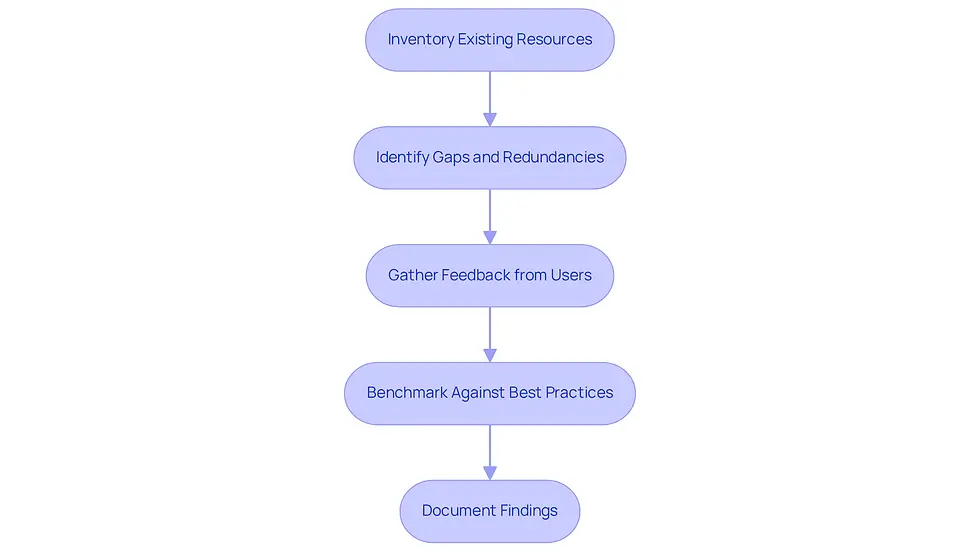
To effectively implement academic community automation for departments, a comprehensive assessment of current resources and technologies is essential. The following steps are essential for this process:
Inventory Existing Resources: Compile a list of all current automation resources in use, such as student information systems, learning management systems, and administrative software. Evaluate their functionalities and current utilization to understand their impact on departmental operations.
Identify Gaps and Redundancies: Evaluate the efficiency of these resources. Search for overlapping functionalities and recognize any resources that are underutilized or failing to meet departmental needs. Many departments struggle to fully leverage their existing resources, leading to missed opportunities for improvement. This step is crucial as 67% of respondents identified five or more opportunities for using AI as 'most promising', including automating repetitive processes and offloading administrative tasks.
Gather Feedback from Users: Engage faculty and administrative staff to collect insights on their experiences with current resources. This feedback can uncover pain points and emphasize areas for enhancement, ensuring that the resources align with user needs and expectations.
Benchmark Against Best Practices: Research industry standards and best practices in technology implementation within higher education. Evaluate your department's resources and methods against these benchmarks to pinpoint areas for improvement. Organizations that have effectively adopted automated processes, like Nova Southeastern University, have enhanced retention rates by proactively addressing student needs through data analysis, showcasing the efficacy of such resources.
Document Findings: Documenting the assessment findings in a comprehensive report is essential for guiding future mechanization initiatives. This report should summarize strengths, weaknesses, and opportunities for improvement. Significantly, only 13% of respondents evaluate the return on investment (ROI) for work-related AI resources, highlighting the necessity of recording findings and assessing effectiveness in the evaluation process. Without proper documentation, departments risk repeating past mistakes and failing to capitalize on successful strategies.
By thoroughly evaluating existing automated solutions, academic community automation for departments allows for enhanced operational efficiency and the creation of a more effective academic environment. Additionally, it is important to recognize the challenges associated with AI tools, such as the pace of change and lack of expertise, which can impact the implementation process. Recognizing and addressing these challenges is vital for successful AI implementation and the overall advancement of academic operations.
Develop a Strategic Plan for Automation Integration
Creating a strategic plan for academic community automation for departments is essential for aligning departmental goals with institutional objectives. The following steps outline the process:
Define Objectives: Clearly outline the goals of automation within the department. Consider whether the goal is to improve efficiency, enhance learner engagement, or streamline administrative tasks. As AI adoption in education evolves into coordinated, policy-guided ecosystems, aligning these objectives with the academic community automation for departments is crucial.
Engage Stakeholders: Involve faculty, staff, and students in the planning phase. Their insights and buy-in are crucial for successful implementation. Conduct workshops or focus groups to gather input and foster collaboration. Involving stakeholders not only improves the planning phase but also guarantees that the automated initiatives are customized to satisfy the requirements of all parties concerned. Failure to involve key stakeholders may result in resistance to change and ineffective implementation of automation initiatives.
Assess Resources: Evaluate the available resources for mechanization, including budget, personnel, and technology. Identify any additional resources needed to achieve your objectives effectively. Over-automation may lead to unintended consequences, such as reduced personal interaction and engagement, necessitating careful governance and transparency throughout the process.
Create a Timeline: Develop a realistic timeline for implementation, incorporating milestones and deadlines. This structure helps keep the project on track and allows for necessary adjustments along the way.
Establish Metrics for Success: Define key performance indicators (KPIs) to assess the success of automated initiatives. Metrics may relate to efficiency, user satisfaction, or learner outcomes, providing a clear framework for evaluation. Institutions are encouraged to establish specific metrics that reflect the impact of academic community automation for departments on student engagement and administrative efficiency.
Draft the Plan: Compile all gathered information into a comprehensive strategic plan that outlines objectives, stakeholder engagement strategies, resource assessments, timelines, and success metrics. Incorporating case studies or anecdotes from successful technology integration in other institutions can offer valuable insights and strengthen the effectiveness of the proposed plan.
A well-structured strategic plan not only enhances operational efficiency but also fosters a more engaging academic environment for all involved.

Foster Collaboration Among Stakeholders in Automation
To enhance collaboration among stakeholders in automation, it is essential to implement targeted strategies that address common challenges:
Establish a Cross-Functional Team: Create a team that includes representatives from various departments, such as IT, administration, and faculty. This team can manage mechanization initiatives and ensure diverse perspectives are considered. As noted by Henri Santos, cross-functional teams (CFTs) can lead to faster transfers of knowledge and higher-quality decisions.
Conduct Regular Meetings: Schedule regular meetings to discuss progress, challenges, and opportunities related to automation. This ensures that all stakeholders are aware of developments and actively participate in the process. Regular reviews of systems and processes, such as Coltie's SAGE and PreSAGE resources, should be scheduled to identify areas for enhancement.
Utilize Collaborative Tools: Leverage technology to facilitate collaboration. Utilizing engaging updates like brief videos and team announcements can significantly enhance communication and collaboration among students, alumni, and partners. Use project management tools, shared documents, and communication platforms to improve teamwork and information sharing.
Encourage Open Communication: Foster an environment where stakeholders feel comfortable sharing their ideas and concerns. This can be achieved through anonymous surveys, suggestion boxes, or open forums. Establishing a feedback loop allows stakeholders to provide input on automated processes for continuous improvement.
Celebrate Successes: Recognize and celebrate milestones and successes achieved through collaboration. Recognizing achievements not only highlights the importance of teamwork but also motivates everyone to stay engaged. For instance, Oakland University achieved a 300% increase in research funding using effective resource comparison, demonstrating the tangible benefits of collaborative efforts.
By encouraging cooperation among stakeholders, departments can create a more inclusive and effective strategy for technological advancement. This leads to improved outcomes for the entire academic community. Ultimately, a commitment to ongoing assessment and adaptation will ensure that automation strategies remain effective and aligned with the evolving needs of the academic community.

Implement Continuous Evaluation and Adaptation of Automation Practices
To ensure the success of automation practices in higher education, continuous evaluation and adaptation are crucial. Consider the following steps:
Establish Evaluation Criteria: Clearly define criteria for assessing the effectiveness of mechanization initiatives. This should include user satisfaction, efficiency metrics, and the effect on student outcomes, ensuring a comprehensive perspective on the effectiveness of automated processes. Many faculty members struggle to grasp AI applications, making clear evaluation criteria vital.
Collect Data Regularly: Utilize surveys, analytics, and performance metrics to gather information on the effectiveness of automated tools and methods. Regular data collection is crucial for obtaining timely insights that inform decision-making. Institutions like Mount Holyoke College have developed comprehensive data governance policies for AI applications, which can guide data handling protocols. Additionally, Coltie's Research Portfolio Management offers unified, auto-updated faculty and lab profiles that showcase research in real time, providing valuable data for evaluation.
Analyze Results: Periodically review the collected data to identify trends, successes, and areas needing improvement. Involving stakeholders in this analysis ensures diverse perspectives are considered, enhancing the evaluation process. For example, Georgia State University's predictive analytics system has led to higher graduation rates among underrepresented individuals, highlighting the beneficial effects of efficient automated practices. Coltie's engaging research updates, including short research videos and team posts, can facilitate this analysis by connecting students, alumni, and partners.
Make Adjustments: Based on the analysis, implement necessary modifications to operational practices. This may include upgrading tools, enhancing methods, or offering extra training to users, ensuring that the system remains effective and user-friendly. With only 17% of faculty reporting advanced proficiency in AI, training and support are essential.
Communicate Changes: Keep stakeholders updated about any modifications made as a result of the evaluation. Clarity promotes confidence and stimulates continuous involvement, which is essential for the success of technological initiatives.
Repeat the Cycle: Continuous evaluation is a constant activity. Regularly revisit the evaluation criteria and data collection methods to ensure they remain relevant and effective, adapting to the evolving needs of the academic community.
Following these steps helps departments utilize academic community automation for departments to make their mechanization efforts effective and responsive to the changing landscape of higher education. Ultimately, embracing mechanization can transform university operations, making them more efficient and effective.

Conclusion
Implementing effective automation strategies is not just beneficial; it is essential for academic departments aiming to enhance operational efficiency and foster engaging educational environments. By assessing current tools, developing strategic plans, fostering collaboration, and committing to continuous evaluation, departments can significantly improve their automation practices and better meet the needs of their academic communities.
Key insights from the article highlight the importance of:
A thorough evaluation of existing resources
The necessity of stakeholder engagement
The establishment of clear metrics for success
By documenting findings and adapting strategies based on feedback and data analysis, departments can ensure that their automation efforts are not only effective but also aligned with institutional goals. The case studies mentioned, such as those from Nova Southeastern University and Georgia State University, illustrate the tangible benefits of well-executed automation initiatives.
However, many departments struggle with the complexities of integrating new technologies into their existing systems. Failure to prioritize these strategies may result in missed opportunities for improvement and engagement. Ultimately, the journey toward successful academic community automation requires a commitment to collaboration and ongoing assessment. By prioritizing these strategies, departments can not only improve their operations but also significantly enhance the educational experience for students and faculty alike.
Frequently Asked Questions
What is the first step in implementing academic community automation for departments?
The first step is to conduct a comprehensive assessment of current resources and technologies, which includes compiling an inventory of all existing automation resources in use.
Why is it important to identify gaps and redundancies in current automation tools?
Identifying gaps and redundancies helps evaluate the efficiency of resources, uncover overlapping functionalities, and recognize underutilized tools. This step is crucial for improving departmental operations and leveraging existing resources effectively.
How can feedback from users contribute to the assessment of automation tools?
Gathering feedback from faculty and administrative staff provides insights into their experiences with current resources, highlighting pain points and areas for enhancement. This ensures that the resources align with user needs and expectations.
What role does benchmarking against best practices play in the assessment process?
Benchmarking against industry standards and best practices helps evaluate departmental resources and methods, pinpointing areas for improvement. It allows departments to learn from organizations that have successfully adopted automated processes.
Why is documenting findings from the assessment important?
Documenting findings in a comprehensive report is essential for guiding future mechanization initiatives. It summarizes strengths, weaknesses, and opportunities for improvement, helping departments avoid repeating past mistakes and capitalize on successful strategies.
What challenges are associated with implementing AI tools in academic departments?
Challenges include the rapid pace of change and a lack of expertise, which can impact the implementation process. Recognizing and addressing these challenges is vital for successful AI implementation and the advancement of academic operations.
List of Sources
Assess Current Automation Tools and Technologies 5 Predictions on How AI Will Shape Higher Ed in 2026 (https://insidehighered.com/news/tech-innovation/artificial-intelligence/2026/01/05/5-predictions-how-ai-will-shape-higher-ed) How AI is shaking up higher education (https://eaie.org/resource/ai-higher-ed.html) Automation in Higher Education (https://decisions.com/blog/automation-in-higher-education?pmref=1) The Impact of AI on Work in Higher Education (https://educause.edu/research/2026/the-impact-of-ai-on-work-in-higher-education) 13 predictions about edtech, innovation, and--yes--AI in 2026 (https://ecampusnews.com/digital-innovation/2026/01/01/draft-2026-predictions)
Develop a Strategic Plan for Automation Integration Tech Outlook 2026: What Higher Ed Tech Leaders Expect this Year -- Campus Technology (https://campustechnology.com/articles/2026/01/29/tech-outlook-2026-what-higher-ed-tech-leaders-expect-this-year.aspx) CIOs Urged to Prioritize Stakeholder Engagement for Greater Influence and Alignment, Advises Info-Tech Research Group (https://prnewswire.com/news-releases/cios-urged-to-prioritize-stakeholder-engagement-for-greater-influence-and-alignment-advises-info-tech-research-group-302536758.html) 6 Higher Ed Leadership Challenges Solved with AI (https://creatrixcampus.com/blog/higher-education-leadership-challenges-ai-2026) How Colleges Should Use Automation in 2026 (https://writesea.com/blog/how-colleges-should-use-automation-in-2026) AI in Higher Education: Balancing Automation and Connection (https://moderncampus.com/blog/ai-in-higher-education-balancing-automation-and-connection.html)
Foster Collaboration Among Stakeholders in Automation Exploring Cross-Functional Teams in Higher Education | MDRC (https://mdrc.org/work/publications/exploring-cross-functional-teams-higher-education) 4 Best Practices for Research Community Automation in Universities (https://coltie.com/post/best-practices-for-research-community-automation-in-universities) Automation in Higher Education (https://decisions.com/blog/automation-in-higher-education?pmref=1) Innovation and Collaboration in Higher Education during Challenging Times - UPCEA (https://upcea.edu/innovation-and-collaboration-in-higher-education-during-challenging-times) AI in Higher Education: Balancing Automation and Connection (https://moderncampus.com/blog/ai-in-higher-education-balancing-automation-and-connection.html)
Implement Continuous Evaluation and Adaptation of Automation Practices AI in Higher Education: Balancing Automation and Connection (https://moderncampus.com/blog/ai-in-higher-education-balancing-automation-and-connection.html) AI Transformation in Higher Education: Balancing Operational Efficiency with Academic Integrity (https://innovativehumancapital.com/article/ai-transformation-in-higher-education-balancing-operational-efficiency-with-academic-integrity) A guide to making automation work in higher education (https://timeshighereducation.com/campus/guide-making-automation-work-higher-education) ABACC Empowers Christian Business Officers in Higher Ed (https://myabacc.org/blog/automation-ai-are-fast-becoming-critical-in-higher-education)


Comments