
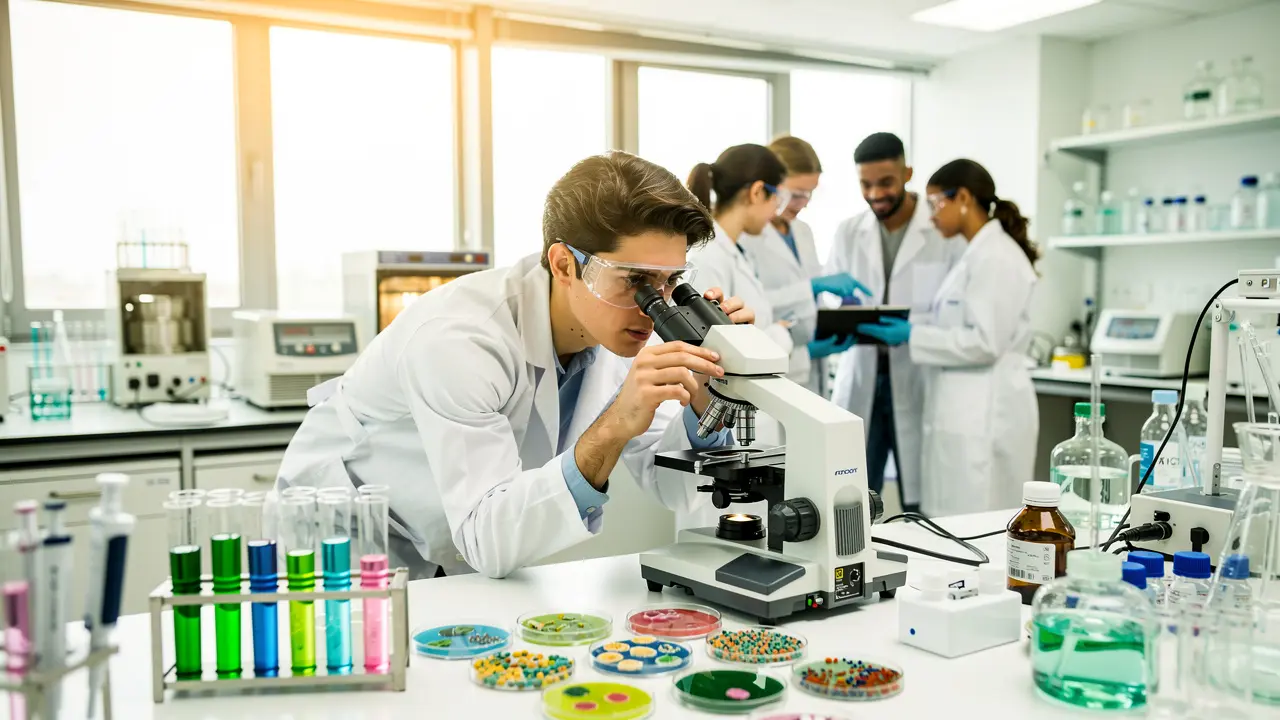
Enhance Biotechnology Research Experience for College Students

Updated: Sep 1
Introduction
The biotechnology sector is undergoing significant transformation, creating both hurdles and avenues for aspiring professionals. Engaging in undergraduate research is not merely an academic exercise; it is a transformative experience that equips students with essential skills and insights that can shape their future careers. However, by fostering an environment that prioritizes innovation, educational institutions can empower students to become leaders in biotechnology.
Understand the Importance of Undergraduate Research in Biotechnology
Undergraduate studies in biotechnology are essential for equipping students with the skills and opportunities necessary for success in their academic and professional journeys. Participating in biotechnology research experience for college students enables them to apply theoretical knowledge in real-world settings, thereby deepening their understanding of biological systems and their applications. These experiences help students develop critical thinking, creativity, and problem-solving skills - qualities that are essential in the fast-paced biotechnology sector.
Involvement in studies greatly impacts learners' career paths. Data shows that individuals engaged in undergraduate projects are more likely to pursue advanced degrees and careers in STEM fields. For example, a report from the National Academies of Sciences emphasizes that biotechnology research experience for college students through undergraduate inquiry experiences positively influences skill development and career aspirations, highlighting its essential role in biotechnology education. Particularly, individuals who take part in scholarly activities are 50% more inclined to pursue graduate studies compared to their counterparts who do not engage in such activities.
Looking ahead to 2026, the importance of biotechnology research experience for college students grows alongside advancements in biotechnology, such as AI-driven developments and personalized vaccines. Innovations like Illumina's whole-transcriptome spatial technology, scheduled for release in 2026, generate new opportunities for learners to participate in advanced studies, emphasizing the necessity for strong undergraduate programs that equip them for upcoming challenges in the field.
Implement Strategies to Foster Research Opportunities for Students
To enhance research opportunities for undergraduate students in biotechnology, institutions must adopt strategic initiatives that foster engagement and collaboration:
Establish Programs Centered on Inquiry: Create organized undergraduate inquiry initiatives that link learners with faculty mentors. These programs can include summer research internships, research assistant positions, and collaborative projects that offer biotechnology research experience for college students while allowing them to work alongside experienced researchers. Engaging in biotechnology research experience for college students strongly predicts improvements in knowledge and skills. This, in turn, enhances overall learner satisfaction and academic performance. Coltie's platform facilitates these connections by allowing learners to create profiles and showcase their biotechnology research experience for college students, making it easier for faculty to identify potential mentees.
Promote Interdisciplinary Collaboration: Encourage collaboration between departments and disciplines to broaden the scope of research opportunities. Interdisciplinary projects that include biotechnology research experience for college students offer learners diverse perspectives and improve their problem-solving abilities, fostering a sense of belonging and community among participants. Coltie facilitates networking across departments, helping learners discover collaborative opportunities related to biotechnology research experience for college students.
Utilize Online Platforms: Leverage technology to create online databases of study opportunities, internships, and funding sources. Platforms such as Coltie enhance access to valuable opportunities, including biotechnology research experience for college students, by enabling links between learners and faculty and simplifying the process for individuals to discover and apply for positions. For example, California State Polytechnic University, Pomona incorporates investigative experiences into mandatory general education courses to improve access for first-generation and historically underserved individuals, illustrating how biotechnology research experience for college students can enhance visibility in these initiatives.
Host Workshops and Seminars: Organize events that acquaint learners with current projects and methodologies. Workshops addressing subjects like grant writing, ethics in inquiry, and data analysis provide individuals with vital skills required to excel in investigative settings, ultimately aiding their career goals, particularly in obtaining biotechnology research experience for college students. Coltie helps manage these events with its event management features, ensuring effective communication and participation.
Encourage Student Initiatives: Support student-led projects and clubs that promote involvement in biotechnology studies. Offering financial support and resources for these initiatives enables learners to take charge of their scholarly activities, which can greatly influence their academic and career paths. Coltie's communication automation tools assist in promoting these initiatives and keeping learners informed about opportunities and resources available to them.
By implementing these strategies, institutions can ensure that students gain valuable biotechnology research experience for college students, ultimately shaping the future of research and innovation.

Leverage Technology to Enhance Student-Faculty Connections in Research
Integrating technology into the academic experience addresses the challenges of student-faculty connections, fostering a more engaged learning environment. Let’s explore some effective strategies to make the most of technology in education:
Utilize Video Conferencing Tools: Platforms like Zoom and Microsoft Teams facilitate regular check-ins between learners and faculty, enabling real-time feedback and guidance on projects. This ongoing engagement promotes a nurturing atmosphere, assisting learners in feeling more connected throughout their academic journey. Research indicates that institutions using video conferencing tools see a 20% increase in engagement and a 15% boost in retention rates.
Establish Cooperative Digital Environments: Tools like Google Workspace and Microsoft OneDrive enable students and faculty to share documents, data, and findings effortlessly. These collaborative platforms encourage teamwork and simplify communication, improving the overall academic journey. For instance, Lake Land College's adoption of Mongoose’s Conversation Intelligence Platform led to a tripling of participation in its TRIO program, demonstrating the effectiveness of collaborative tools in fostering engagement.
Implement Learning Management Systems (LMS): An LMS serves as a centralized hub for study resources, course materials, and communication. Faculty can post announcements, share scholarly articles, and provide feedback on learner submissions, enriching the learning experience and ensuring learners have access to essential information. Research indicates that effective use of LMS can lead to a 25% increase in learner satisfaction and engagement.
Promote Social Media Interaction: Faculty can utilize social media platforms to share findings, interact with learners, and advertise opportunities for investigation. This casual communication aids in establishing rapport and motivates learners to engage in conversations about current studies, nurturing a sense of community. Specialist Helen Crompton, Ph.D., highlights that social media can boost motivation and teamwork among learners, especially in academic contexts.
Utilize Research Management Software: Tools such as LabArchives and ResearchGate help learners in overseeing their projects, monitoring progress, and collaborating with faculty. These platforms also facilitate networking with other researchers, expanding individuals' professional connections and enhancing their academic experience. The integration of such technologies has been shown to improve project management efficiency by up to 30%.
Leverage Coltie's Portfolio Management: Coltie provides integrated, automatically updated faculty and lab profiles that highlight findings in real time. This feature, along with brief informational videos and team updates, links learners, alumni, and partners, improving academic collaboration. By utilizing Coltie's intelligent matching systems and engaging video profiles, institutions can revolutionize graduate recruitment and foster stronger connections between faculty and learners.
Ultimately, the strategic use of technology not only enhances student engagement but also transforms the academic landscape for future generations.

Evaluate and Adapt Research Programs for Continuous Improvement
To maximize the benefits of undergraduate biotechnology initiatives, institutions must rigorously assess and adapt their programs. Key steps include:
Conduct Regular Assessments: Systematic evaluations of academic programs should be implemented to gather feedback from both learners and faculty. Utilizing surveys, focus groups, and interviews can yield valuable insights into the strengths and weaknesses of these programs.
Evaluate Results: It is crucial to examine the influence of academic activities on learner understanding, ability enhancement, and career advancement. Monitoring metrics like retention rates, graduate school admissions, and job placements offers a clear measure of the effectiveness of academic initiatives. Studies show that individuals involved in undergraduate projects exhibit notably greater skill levels than those who finish different capstone activities, with an average of 15.1 percent higher scores (Gunnels, 2022).
Incorporate Learner Input: Actively seeking and integrating feedback from learners regarding their academic experiences is crucial. Understanding their challenges and successes can inform program improvements and enhance overall satisfaction.
Stay Current with Industry Trends: Regular reviews and updates of research programs are necessary to align with advancements in biotechnology and evolving industry demands. This ensures that learners acquire relevant skills and knowledge that will benefit their future careers.
Foster a Culture of Continuous Improvement: Encouraging faculty and learners to engage in ongoing professional development and training fosters a commitment to learning and adaptation. This culture can lead to innovative inquiry practices and enhanced student outcomes.
For instance, Florida Gulf Coast University has successfully integrated undergraduate inquiry into its curricula through the FGCUScholars initiative, which mandated academic departments to scaffold learning competencies from general education through capstone courses, enhancing career-ready transferable skills (Gunnels, 2022). By implementing these evaluation strategies, universities can not only enhance their programs but also restore confidence in the value of higher education among graduates (Gunnels, 2022).

Conclusion
Biotechnology research is essential for undergraduate education, shaping students' academic and professional futures. Through research experiences, students apply theoretical knowledge and develop critical skills like problem-solving and analytical thinking, essential in the fast-paced biotechnology field.
The article outlines several key strategies to foster research opportunities for college students in biotechnology:
Establishing inquiry-based programs.
Promoting interdisciplinary collaboration.
Leveraging technology for enhanced student-faculty connections.
Continuously evaluating and adapting research initiatives.
Each of these strategies plays a crucial role in ensuring that students gain meaningful research experiences that can influence their career paths and academic success.
The value of biotechnology research experience is profound and far-reaching. As the field continues to advance, institutions must prioritize creating robust research environments that empower students to explore, innovate, and prepare for future challenges. Investing in research initiatives not only enhances student learning but also strengthens the biotechnology sector, preparing future leaders for the challenges ahead.
Frequently Asked Questions
Why is undergraduate research important in biotechnology?
Undergraduate research in biotechnology is crucial as it equips students with the skills and opportunities necessary for success in their academic and professional journeys, allowing them to apply theoretical knowledge in real-world settings.
What skills do students develop through biotechnology research experiences?
Students develop critical thinking, creativity, and problem-solving skills through biotechnology research experiences, which are essential in the fast-paced biotechnology sector.
How does involvement in undergraduate research impact career paths?
Involvement in undergraduate research significantly impacts career paths, as data shows that students engaged in such projects are more likely to pursue advanced degrees and careers in STEM fields.
What does the National Academies of Sciences report indicate about undergraduate research?
The report indicates that biotechnology research experience positively influences skill development and career aspirations, highlighting its essential role in biotechnology education.
How much more likely are students who engage in research to pursue graduate studies?
Students who participate in scholarly activities are 50% more inclined to pursue graduate studies compared to those who do not engage in such activities.
What future advancements in biotechnology are expected to increase the importance of undergraduate research?
Advancements such as AI-driven developments and personalized vaccines, including innovations like Illumina's whole-transcriptome spatial technology scheduled for release in 2026, are expected to increase the importance of undergraduate research experiences for students.
What is the necessity for strong undergraduate programs in biotechnology?
Strong undergraduate programs are necessary to equip students for upcoming challenges in the biotechnology field, especially as new opportunities for advanced studies arise.
List of Sources
Understand the Importance of Undergraduate Research in Biotechnology What’s New in Biotech in 2026? Breakthroughs and Research Trends | ZAGENO (https://go.zageno.com/blog/whats-new-in-biotech-2026) New Report Examines the Impact of Undergraduate Research Experiences for STEM Students (https://nationalacademies.org/news/new-report-examines-the-impact-of-undergraduate-research-experiences-for-stem-students)
Implement Strategies to Foster Research Opportunities for Students Expanding Research for Undergraduates (https://chronicle.com/package/expanding-research-for-undergraduates) Seven models of undergraduate research for student success (https://insidehighered.com/news/student-success/academic-life/2024/06/05/seven-models-undergraduate-research-student-success) New Report Examines the Impact of Undergraduate Research Experiences for STEM Students (https://nationalacademies.org/news/new-report-examines-the-impact-of-undergraduate-research-experiences-for-stem-students) LibGuides: Undergraduate Research: Studies on the Impact of Undergraduate Research on Students (https://libguides.usu.edu/c.php?g=1066148&p=7820635) Student Outcomes from Undergraduate Research Programs: Comparing Models of Research Experiences for Undergraduates (REUs) - The Council on Undergraduate Research (https://cur.org/journal-article/student-outcomes-from-undergraduate-research-programs-comparing-models-of-research-experiences-for-undergraduates-reus)
Leverage Technology to Enhance Student-Faculty Connections in Research 2026 Higher Ed Tech Trends to Watch (https://hellomongoose.com/blog/higher-ed-technology-trends-2026) 2026 Higher Education Trends (https://avaap.com/2026-higher-education-trends) A New Framework for Purposeful Technology Use in Higher Education - EdTech Digest (https://edtechdigest.com/2026/01/29/a-new-framework-for-purposeful-technology-use-in-higher-education) Engaging students in higher education with educational technology - Education and Information Technologies (https://link.springer.com/article/10.1007/s10639-024-12901-x) 2026 EDUCAUSE Top 10: Making Connections (https://er.educause.edu/articles/2025/10/2026-educause-top-10-making-connections)
Evaluate and Adapt Research Programs for Continuous Improvement A review of undergraduate research programs aimed at underrepresented students (https://cell.com/star-protocols/fulltext/S2666-1667(24)00162-X) Colleges With Great Undergraduate Research Projects (https://usnews.com/best-colleges/rankings/undergrad-research-programs) Undergraduate Research Experiences Grow Career-Ready Transferable Skills - The Council on Undergraduate Research (https://cur.org/journal-article/undergraduate-research-experiences-grow-career-ready-transferable-skills)



Comments