

5 Steps to Find Architecture Research Opportunities as an Undergraduate

Updated: Jul 14
Introduction
Many undergraduates struggle to find meaningful research opportunities in architecture, leading to frustration and uncertainty about their future careers. By employing effective strategies, students can transform their search for research opportunities into a successful endeavor that enhances their academic and professional journey. This guide outlines effective strategies for identifying and securing valuable research experiences in architecture.
Identify Architecture Research Opportunities
Understanding how to find architecture research opportunities as an undergraduate can be challenging, yet leveraging the right resources can significantly enhance your prospects. Begin by utilizing a range of platforms and resources:
University Websites: Visit your university's architecture department page for updates on projects, internships, and assistantships. Numerous institutions showcase specific areas emphasizing undergraduate study options, like the NSF NHERI REU Summer Program, which provides experiential learning at various locations.
Professional Organizations: Become a member of organizations like the American Institute of Architects (AIA) or the Association of Collegiate Schools of Architecture (ACSA). These groups often offer listings for internships, scholarships, and funding, improving your access to valuable prospects. Furthermore, consider connecting with Architecture 2030, which emphasizes sustainability in design and can provide insights into current trends.
Online Databases: Utilize specialized databases such as Pathways to Science, which offers a comprehensive directory of internships and scholarly opportunities specifically in the field of design, including programs aimed at historically underrepresented populations.
Networking Events: Engage in design conferences and workshops to connect with professionals and learn about available academic positions. Events such as the NHERI Summer Institute offer opportunities for early-career faculty and educators to connect with the latest trends in their field and network with colleagues.
Social Media and Forums: Engage with online communities on platforms like Reddit or LinkedIn, where architecture students and professionals share insights and prospects. These forums can be invaluable for discovering lesser-known academic positions and gaining advice from peers.
By tapping into these resources, you position yourself to learn how to find architecture research opportunities as an undergraduate that align with your architectural aspirations, ultimately enriching your academic journey.

Build a Strong Academic Profile
To enhance your academic profile in design, it is essential to adopt a strategic approach that emphasizes key areas of development:
Maintain a High GPA: Achieving a strong GPA is crucial, as 72% of U.S. design programs require a minimum of 3.0, with competitive candidates often exceeding 3.5. A strong academic background is often a key factor for obtaining positions in design.
Engage in Relevant Coursework: Engaging in relevant coursework is vital for aligning your academic pursuits with your career goals. Enroll in courses that align with your research interests, such as design theory, sustainable building, or urban planning. Relevant coursework not only builds knowledge but also demonstrates your commitment to the field.
Participate in Extracurricular Activities: Joining design clubs, student organizations, or volunteering for community projects related to this field showcases your passion and dedication. Research indicates that involvement in extracurricular activities correlates with academic success and enhances employment opportunities post-graduation.
Develop Technical Skills: Familiarize yourself with essential software tools used in architecture, such as AutoCAD, Revit, and SketchUp. Proficiency in these programs is increasingly valued by firms, with nearly 90% of design architect job advertisements requesting knowledge of Rhino and Grasshopper, highlighting the demand for computational design skills.
Create a Portfolio: Compile a well-organized portfolio that showcases your best work, including design projects, sketches, and any pertinent studies. Interns should strive for a portfolio of 20 to 30 pages for general submissions. A strong portfolio significantly enhances your application, setting you apart in a competitive job market.
By concentrating on these aspects, you can develop an impressive academic profile that will assist you in obtaining valuable projects in the field of design. Ultimately, a well-rounded academic profile not only opens doors to opportunities but also sets the foundation for a successful career in design.

Leverage Networking Opportunities
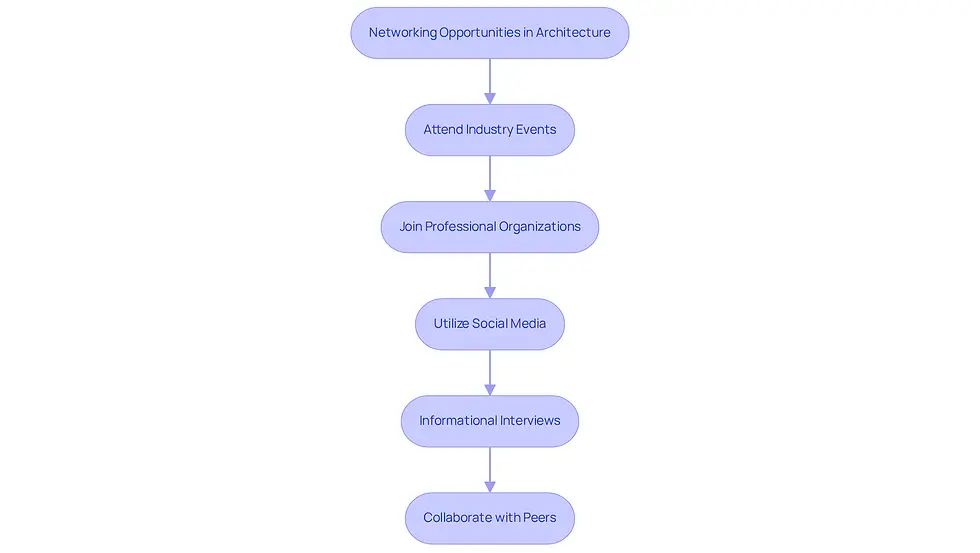
To maximize your potential in the architecture field, effective networking is essential. Consider the following steps:
Attend Industry Events: Participate in design conferences, workshops, and seminars. These gatherings not only allow you to meet industry professionals but also keep you informed about the latest trends and innovations in the field. For instance, the AIA26 Conference on Architecture & Design 2026 in San Diego will feature nearly 100 events, providing ample networking opportunities and the chance to earn professional credits.
Join Professional Organizations: Becoming a member of groups such as the AIA or local design chapters can be invaluable. Membership typically includes access to exclusive networking events, resources, and mentorship programs that can enhance your professional journey.
Utilize Social Media: Leverage platforms like LinkedIn to connect with design professionals. By sharing your projects and engaging with others' content, you can significantly increase your visibility within the industry, making it easier to forge meaningful connections.
Informational Interviews: Proactively reach out to professionals for informational interviews. This approach not only provides insights into their career paths but also offers valuable advice on navigating the architecture industry effectively.
Collaborate with Peers: Participate in group projects or study initiatives with fellow students. Collaboration encourages fresh concepts and relationships, which can be crucial in revealing study possibilities and enhancing your career.
Networking in architecture can often feel overwhelming, especially when learning how to find architecture research opportunities as an undergraduate, due to the vast number of professionals and events available. However, by implementing these strategies, you can transform your networking efforts into tangible career advancements. Additionally, consider attending the upcoming 'Back to the Future' educational event on July 14, 2026, which focuses on integrating historic strategies with modern technology, further enhancing your understanding of the field. As noted by Joshua Weeks, attending events like AIA27 can provide significant insights and benefits for you and your firm. Ultimately, the connections you cultivate today can shape the trajectory of your career tomorrow.
Enhance Applications with Tailored Resumes and Video Profiles
To enhance your applications and increase your chances of securing interviews, consider implementing the following strategies:
Tailor Your Resume: Personalize your resume for each submission by highlighting pertinent coursework, skills, and experiences that correspond with the research opportunity. Tailoring your resume to specific job descriptions can increase your chances of obtaining interviews by 22% compared to using a generic resume.
Create a Video Profile: Utilize platforms like Coltie to create a video profile (Visume) that showcases your personality, passion for architecture, and relevant experiences. This personal touch can significantly enhance your submission, making it more memorable to selection committees.
Include Relevant Projects: In both your resume and video, mention specific projects or research you have worked on that relate to the opportunity you are applying for. Highlighting hands-on experience demonstrates your commitment to the field and can set you apart from other candidates.
Request Input: Before submitting your materials, ask professors or peers to review your resume and video profile. Constructive feedback can refine your materials, ensuring they make a stronger impression. Candidates who invest time in tailoring their resumes often see improved outcomes in their job search.
Follow Up: After submitting your request, consider sending a polite follow-up email to express your continued interest in the position. This proactive approach can help keep your submission top of mind for the selection committee, reinforcing your enthusiasm for the opportunity.
Implementing these strategies can significantly improve your application outcomes and showcase your dedication to design studies.

Seek Mentorship from Faculty
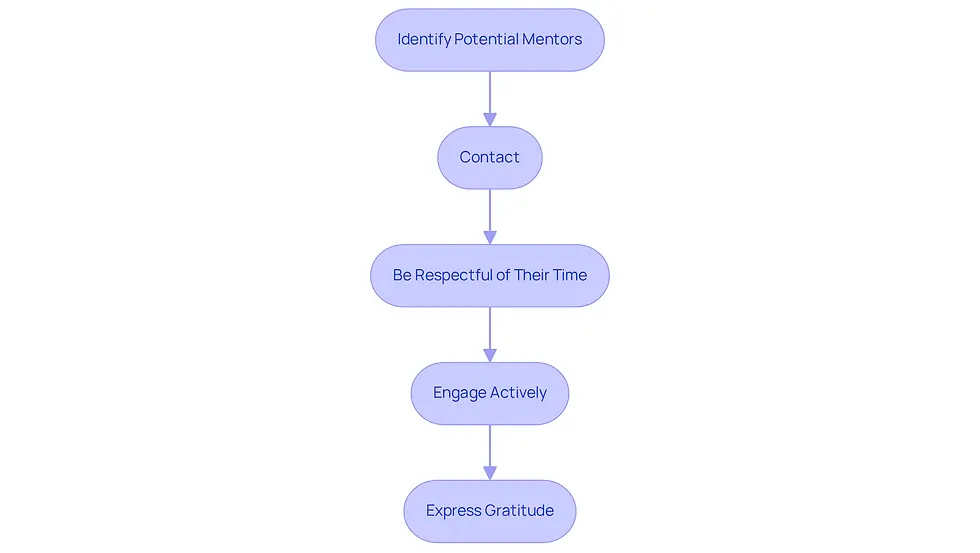
Seeking mentorship in architecture can significantly impact your academic and professional trajectory. To effectively seek mentorship from faculty in architecture, consider the following steps:
Identify Potential Mentors: Focus on faculty members whose work aligns with your interests. Review their publications and ongoing projects to gain insight into their work and expertise.
Contact: Compose a courteous email conveying your interest in their work and your wish to learn from them. Clearly articulate why you are reaching out and what you hope to achieve through mentorship.
Be Respectful of Their Time: Recognize that faculty members have demanding schedules. Be flexible when arranging meetings and come prepared with specific questions or topics to discuss.
Engage Actively: Once a mentorship relationship is established, actively seek advice, share your progress, and request feedback on your work. This demonstrates your commitment and appreciation for their guidance.
Express Gratitude: Always thank your mentor for their time and support. A simple thank-you note can significantly strengthen your relationship and show your appreciation.
Research by Matthew A. Kraft shows that having a mentor can increase the chances of attending college by 19 to 46 percent, highlighting how vital mentorship is for academic success. The Architecture Mentorship Program focuses on mutual respect and collaboration, leading to positive outcomes through one-on-one mentorship. Following a successful pilot in 2023, this program will be available to all undergraduate and graduate students in 2024. Furthermore, the forthcoming 2026 AIA International Global Mentorship Program, commencing on April 24, 2026, provides a timely chance for students to participate in mentorship. By following these steps, you can cultivate meaningful mentorship connections that enhance your academic journey and help you learn how to find architecture research opportunities as an undergraduate. Without mentorship, students may miss critical opportunities for growth and development in their architectural careers.
Conclusion
For aspiring architects, uncovering architecture research opportunities as an undergraduate can be a challenging yet rewarding endeavor. Students can enhance their chances of securing valuable experiences by utilizing various resources and strategies that align with their academic and career goals.
Key approaches include:
Leveraging university resources
Joining professional organizations
Engaging in networking events
Building a strong academic profile is essential. This can be achieved by:
Maintaining a high GPA
Participating in relevant coursework
Developing technical skills
Tailored applications and seeking mentorship from faculty are essential steps in navigating the competitive landscape of architecture research. Finding architecture research opportunities involves more than just securing a position; it requires cultivating a proactive mindset and building meaningful connections in the field. By taking these steps, students can enhance their academic profiles and lay a solid foundation for a successful career in architecture. Embracing these strategies empowers undergraduates to seize opportunities that shape their future and contribute to their growth as innovative architects.
Frequently Asked Questions
How can I find architecture research opportunities as an undergraduate?
You can find architecture research opportunities by utilizing university websites, joining professional organizations, using online databases, attending networking events, and engaging in social media forums.
What resources should I check on my university's architecture department page?
Check for updates on projects, internships, and assistantships, as well as specific undergraduate study options like the NSF NHERI REU Summer Program.
Which professional organizations can help me find architecture opportunities?
Consider becoming a member of the American Institute of Architects (AIA) or the Association of Collegiate Schools of Architecture (ACSA) for access to internships, scholarships, and funding.
What online databases are useful for architecture research opportunities?
Specialized databases like Pathways to Science provide a directory of internships and scholarly opportunities in design, including programs for historically underrepresented populations.
How can networking events benefit my search for architecture opportunities?
Networking events, such as design conferences and workshops, allow you to connect with professionals and learn about academic positions, enhancing your prospects in the field.
How can social media and forums assist in finding architecture opportunities?
Online communities on platforms like Reddit or LinkedIn can provide insights and advice from peers, helping you discover lesser-known academic positions.
What should I focus on to build a strong academic profile in design?
Focus on maintaining a high GPA, engaging in relevant coursework, participating in extracurricular activities, developing technical skills, and creating a well-organized portfolio.
What GPA is typically required for U.S. design programs?
Most U.S. design programs require a minimum GPA of 3.0, with competitive candidates often exceeding 3.5.
Why is relevant coursework important for architecture students?
Relevant coursework aligns your academic pursuits with career goals, builds knowledge, and demonstrates your commitment to the field.
How can extracurricular activities enhance my academic profile?
Involvement in design clubs, student organizations, or community projects showcases your passion and dedication, correlating with academic success and improving employment opportunities.
What technical skills should I develop for a career in architecture?
Familiarize yourself with essential software tools like AutoCAD, Revit, and SketchUp, as proficiency in these programs is highly valued by firms.
What should I include in my architecture portfolio?
Your portfolio should showcase your best work, including design projects, sketches, and relevant studies, ideally comprising 20 to 30 pages for general submissions.
List of Sources
Identify Architecture Research Opportunities Architecture: Directory of Internships, Research Opportunities, Scholarships & Fellowships (https://pathwaystoscience.org/Discipline.aspx?sort=ART-Architecture_Architecture) 2026 Summer Architecture Programs (https://studyarchitecture.com/blog/architecture-news/2026-summer-architecture-programs) Introduction to Architecture Online: Summer 2026 (https://cooper.edu/architecture/school-architecture-summer-programs) INNOVATION 2030: Top Architecture Firms Offer Students Paid Summer Internships – Architecture 2030 (https://architecture2030.org/innovation-2030-top-architecture-firms-offer-students-paid-summer-internships)
Build a Strong Academic Profile Architecture Internships: The Complete Guide [2026] (https://howtorhino.com/blog/architecture-education/architecture-internships) Roundup of Data on Architecture Education - Association of Collegiate Schools of Architecture (https://acsa-arch.org/resource/roundup-of-data-on-architecture-education) Maximize Architecture Research Assistant Opportunities for Undergraduates (https://coltie.com/post/maximize-architecture-research-assistant-opportunities-for-undergraduates)
Leverage Networking Opportunities AIA Conference on Architecture & Design® 2027 (https://conferenceonarchitecture.com) THE ULTIMATE GUIDE TO AIA26 FOR STUDENTS AND EMERGING PROFESSIONALS - Architecture Careers Guide (https://archcareersguide.com/ultimateguidetoaia26) AIA Conference on Architecture & Design® 2027 (https://aia.org/community/events/aia-conference-architecture-design) AIA Conference on Architecture & Design®2026 - American Institute of Architects, San Francisco (https://aiasf.org/events/aia-conference-on-architecture-and-design2026) Join Us at the 2026 AIA Conference on Architecture (https://ncarb.org/blog/join-us-the-2026-aia-conference-architecture)
Enhance Applications with Tailored Resumes and Video Profiles 9 Architecture Resume Examples for 2026 | Resume Worded (https://resumeworded.com/architecture-resume-examples) Benefits of Tailored Resumes (https://linkedin.com/top-content/career/resume-tips/benefits-of-tailored-resumes) Best Social Media Platforms for Architects: Top 8 for 2026 (https://archicgi.com/architecture/best-social-media-platforms-for-architects) 165 Resume Statistics: Cover Letters and Valuable Skills (https://flair.hr/en/blog/resume-statistics) What Is a Tailored Resume? The Science Behind It (https://resumly.ai/blog/the-science-behind-tailored-resumes)
Seek Mentorship from Faculty Mentoring Programs | School of Architecture, Planning and Preservation (https://arch.umd.edu/student-experience/mentoring-programs) 2026 AIA International Global Mentorship Program | National Associates Community (https://communityhub.aia.org/discussion/2026-aia-international-global-mentorship-program-1) Research Notes: The Impact of Mentoring on Student Success (https://future-ed.org/research-notes-the-impact-of-mentoring-on-student-success) Mentorship Program | Tulane School of Architecture (https://architecture.tulane.edu/mentorship-program)



Comments